✦ UX / Product
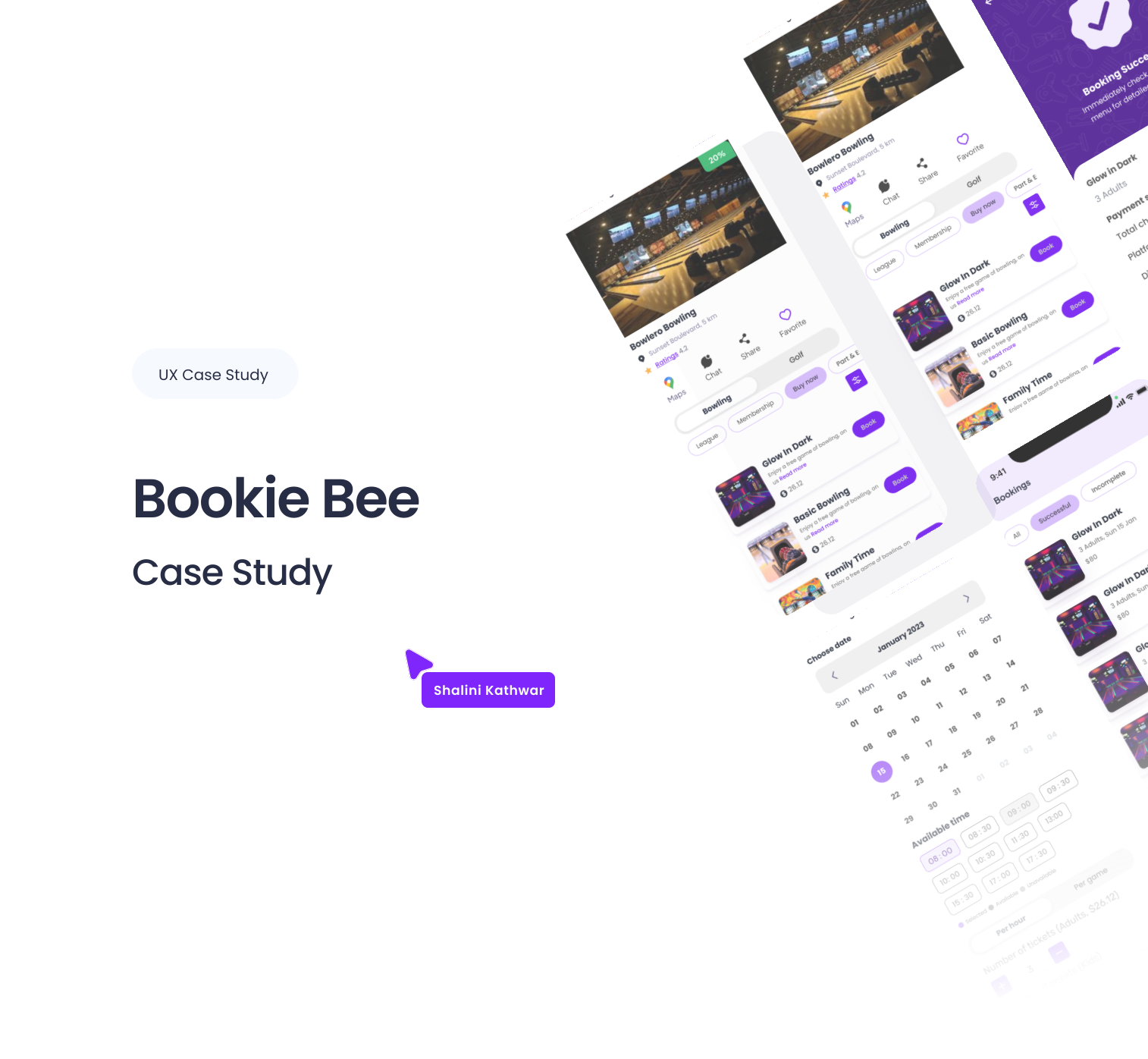
BookieBee: Why a “Working” Home Screen Wasn’t Converting
A UX/product case study on rethinking the home screen experience to reduce booking friction, support faster decisions, and design around how people actually plan games with friends.
+18%
Booking completion
+25%
Faster decisions
✦ The full case · 13 frames
scroll ↓
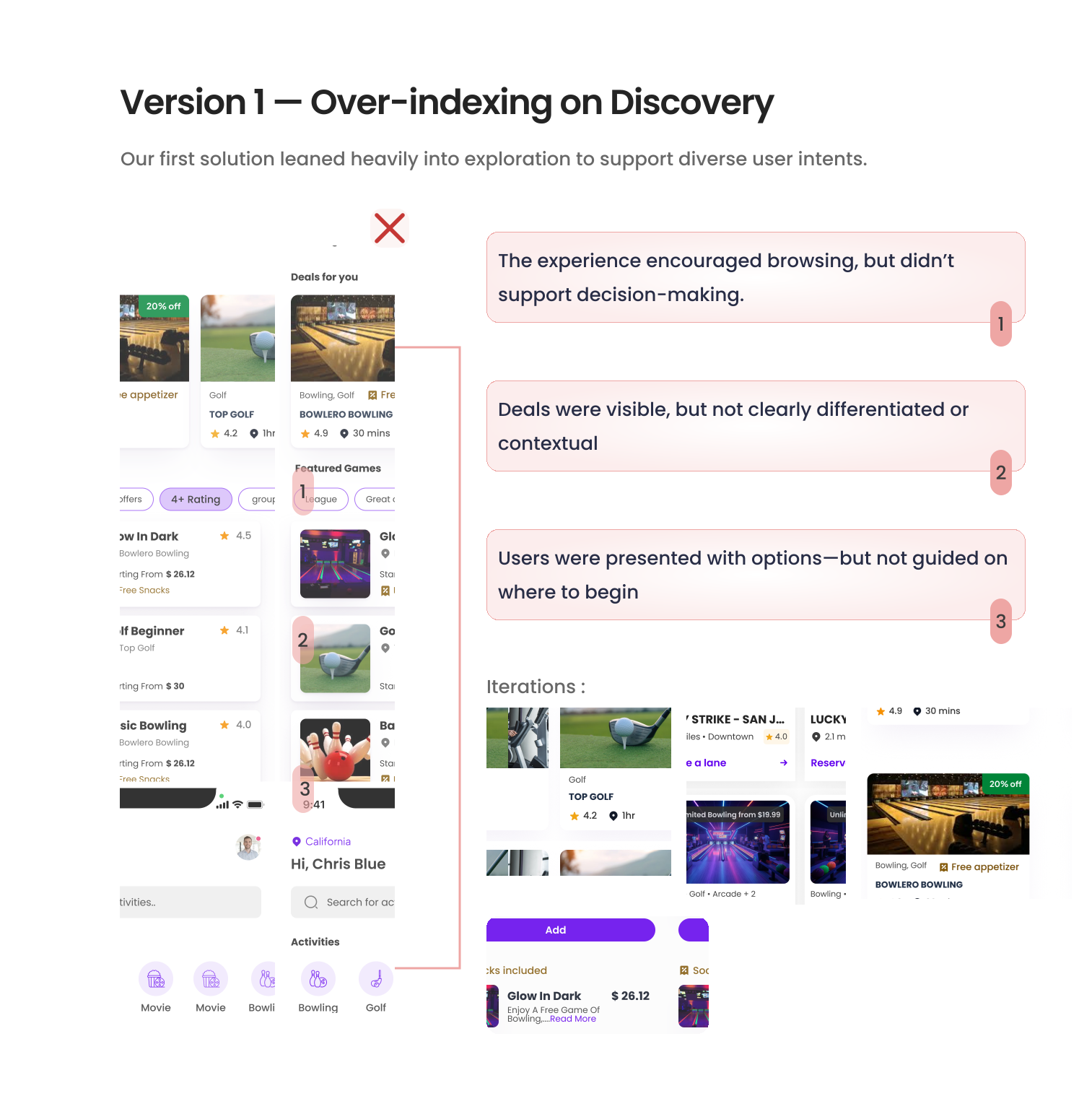
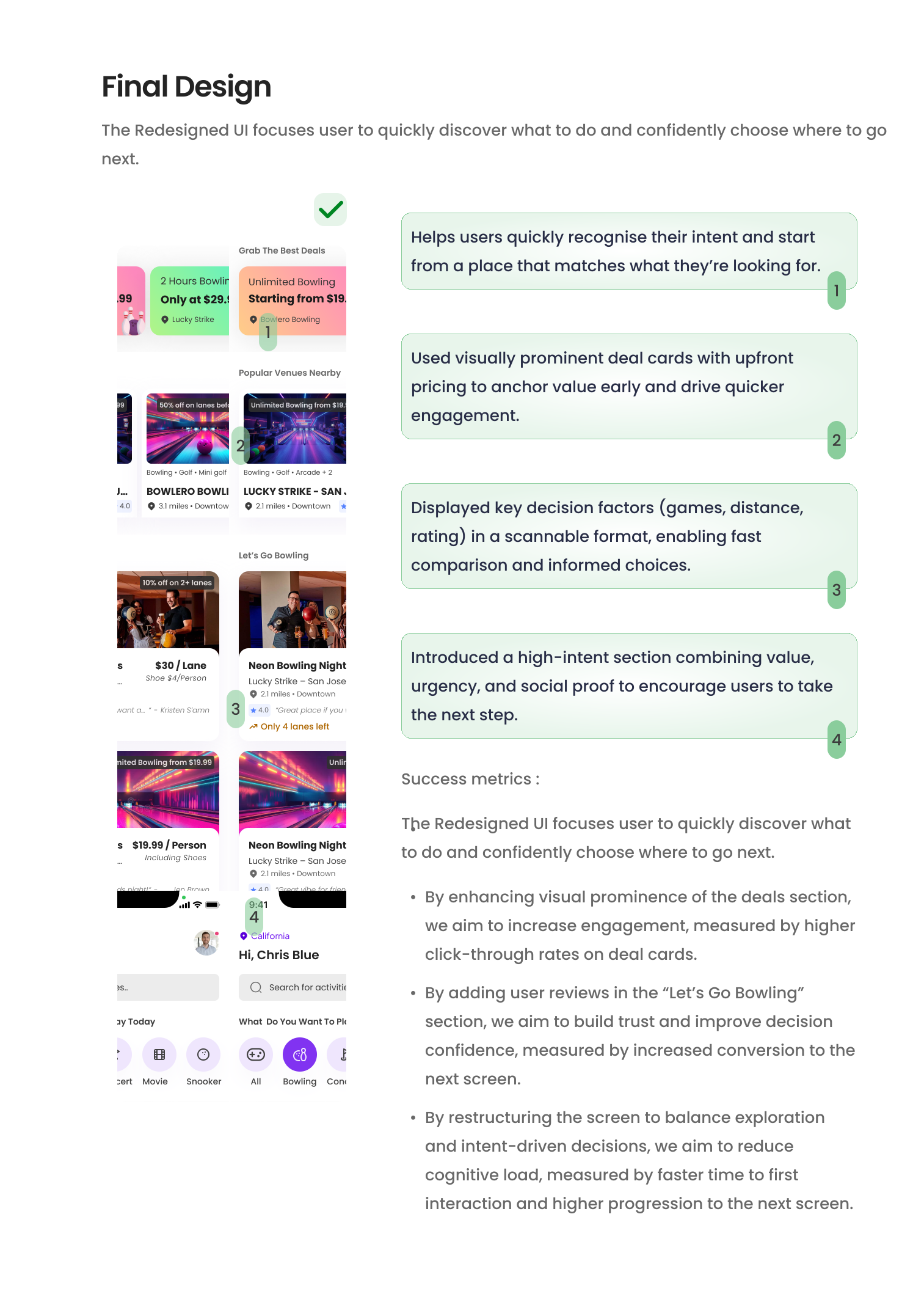
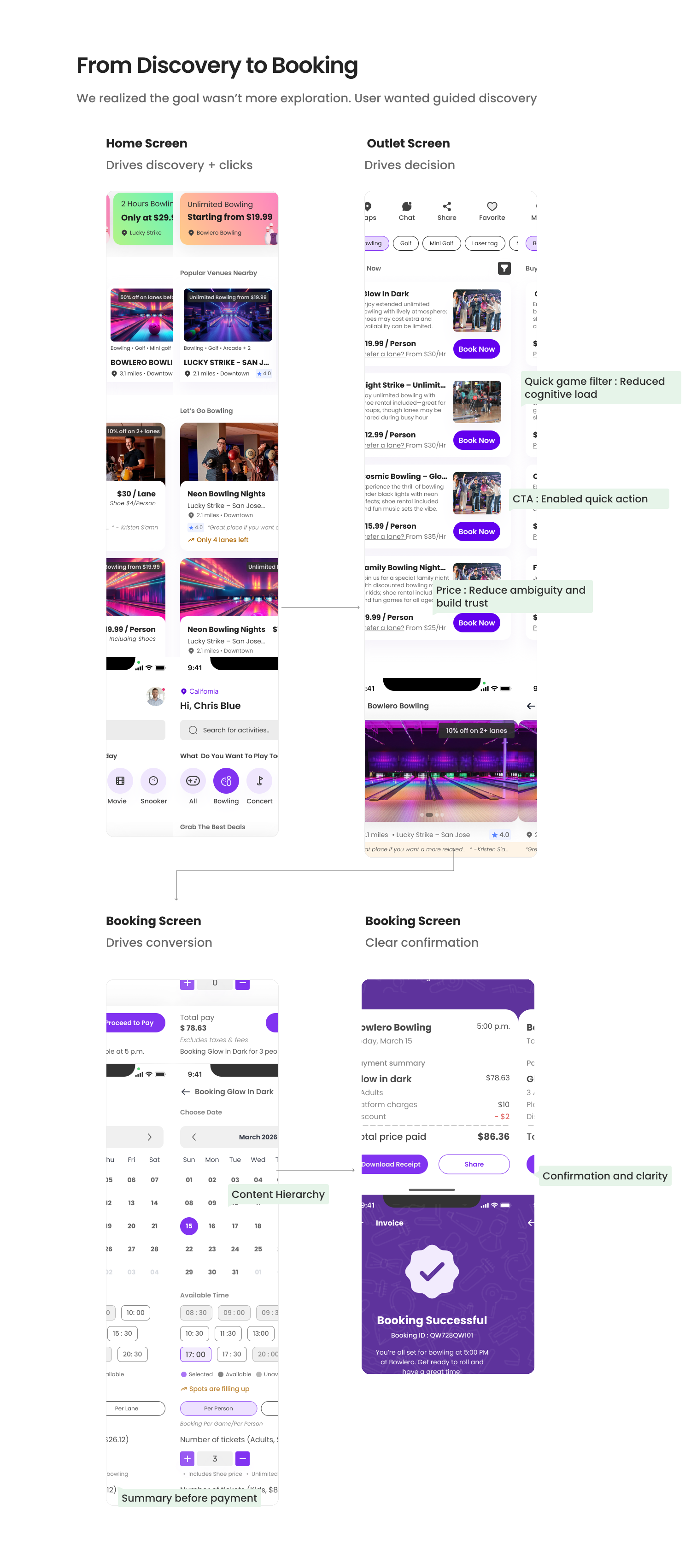
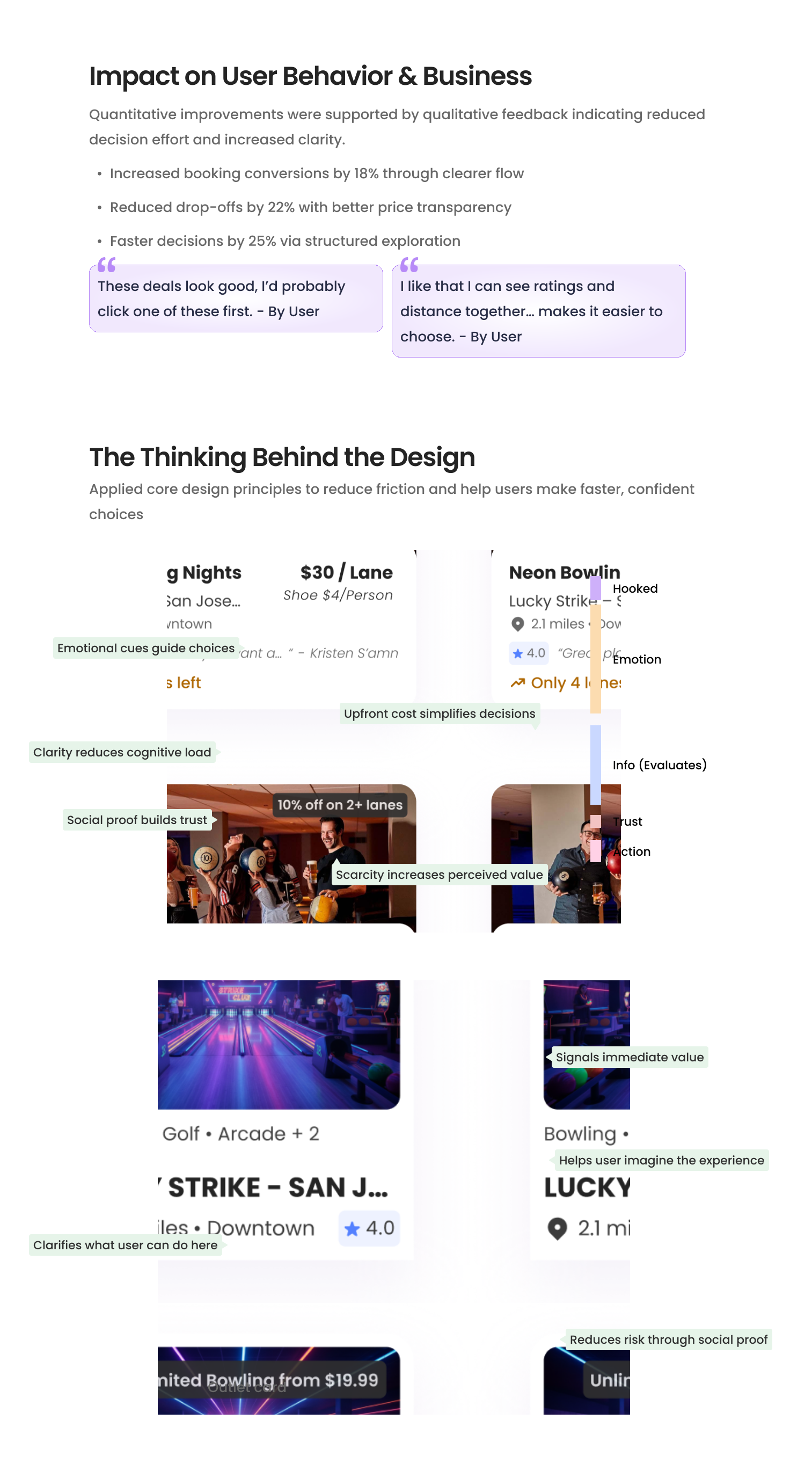
✦ Inside the work
The problem
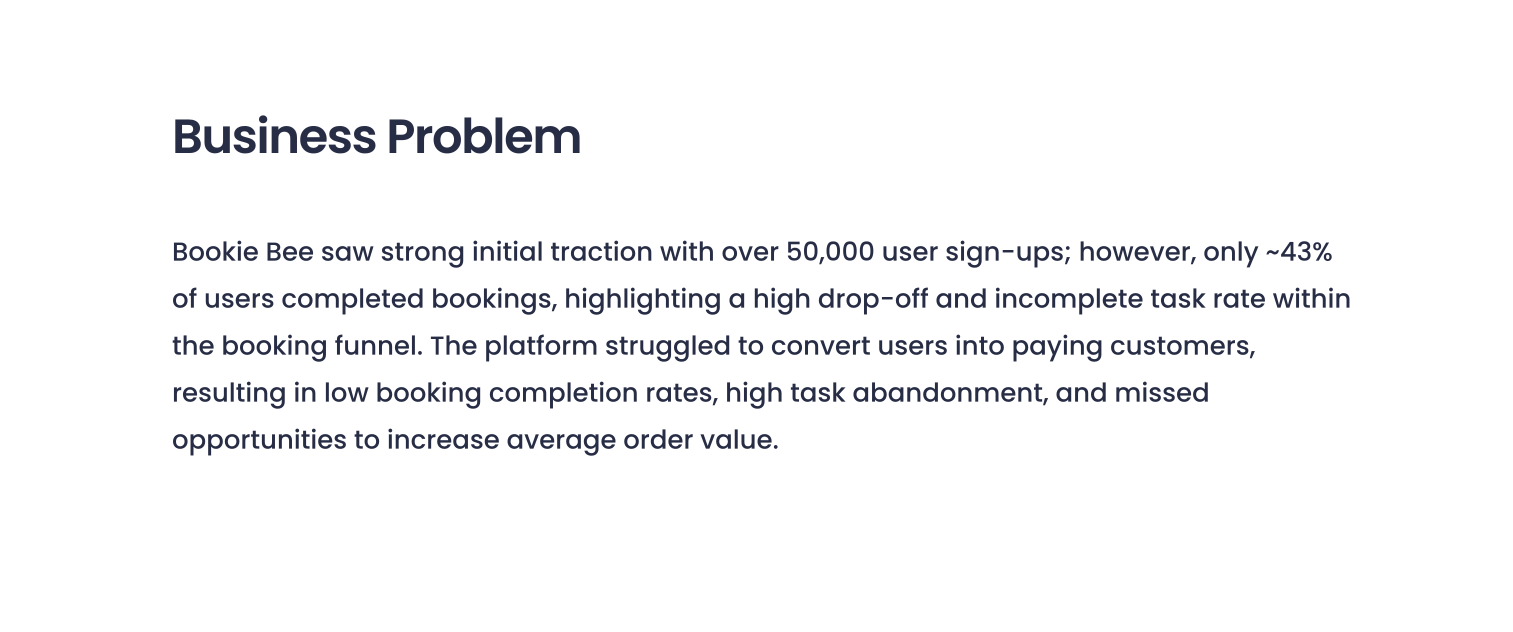
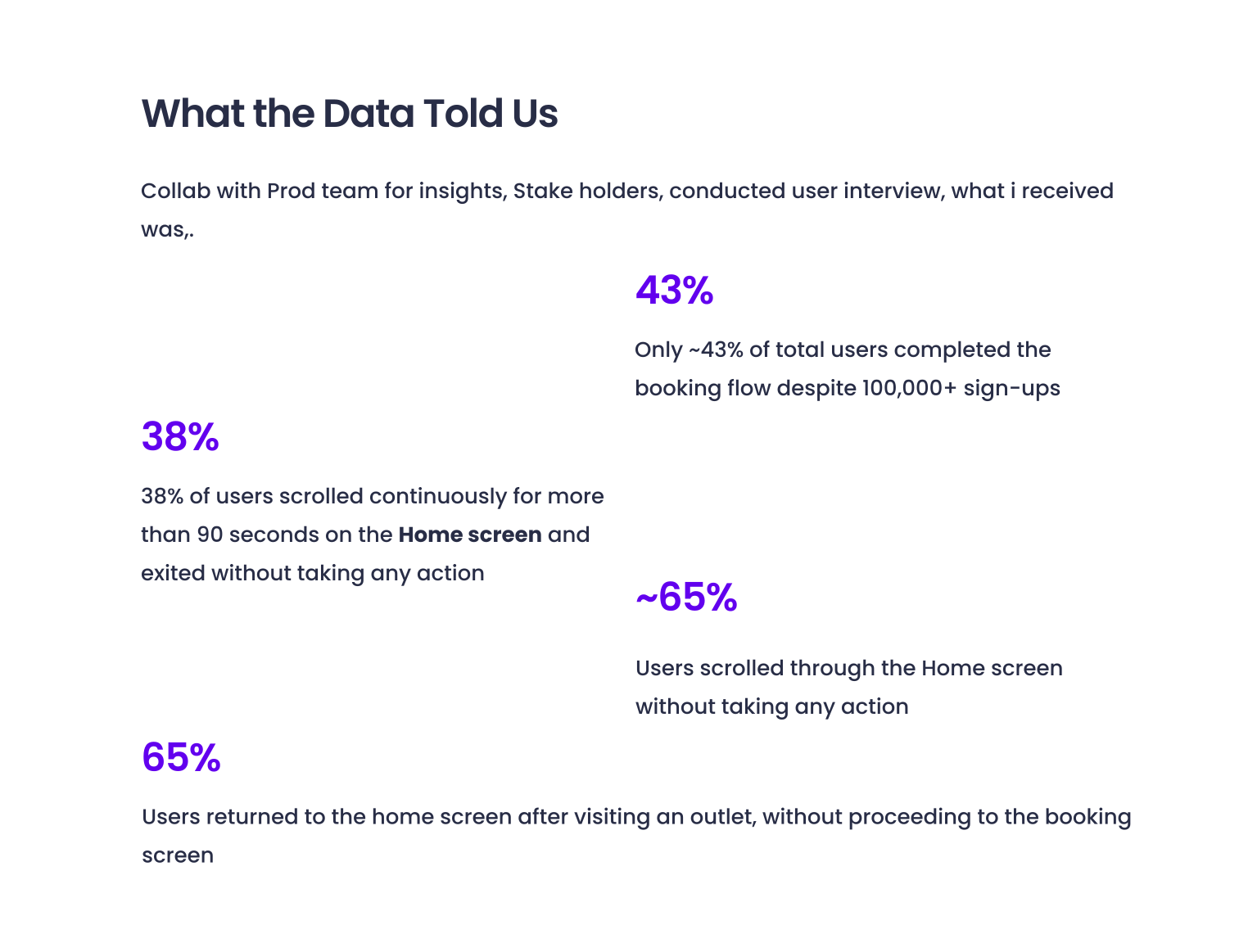
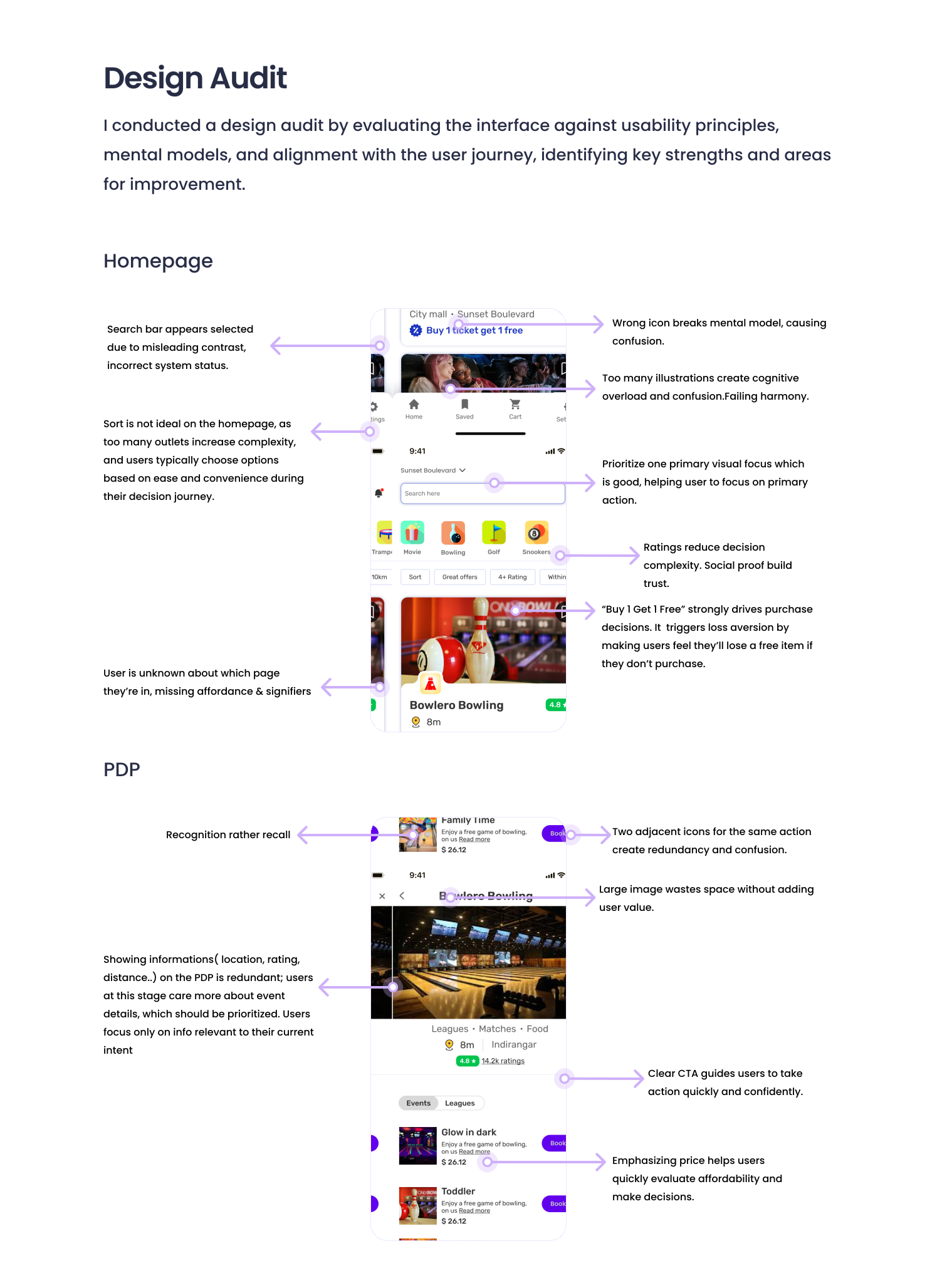
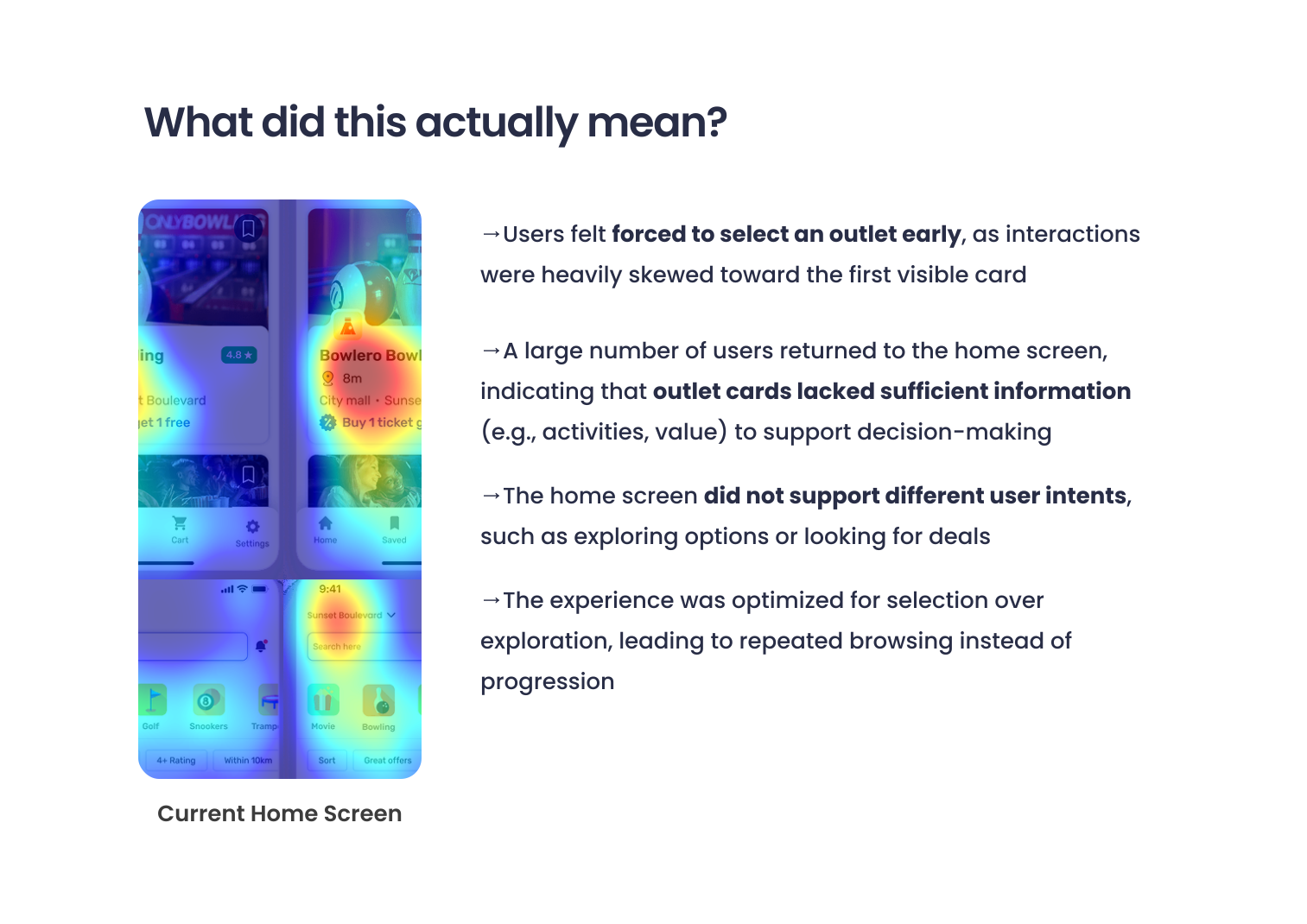
Casual players struggled to find, compare, and book sports courts in their city. Existing apps mixed gym memberships, classes, and venue bookings into one cluttered surface — leading to drop-offs at the discovery and confirmation steps.
Research
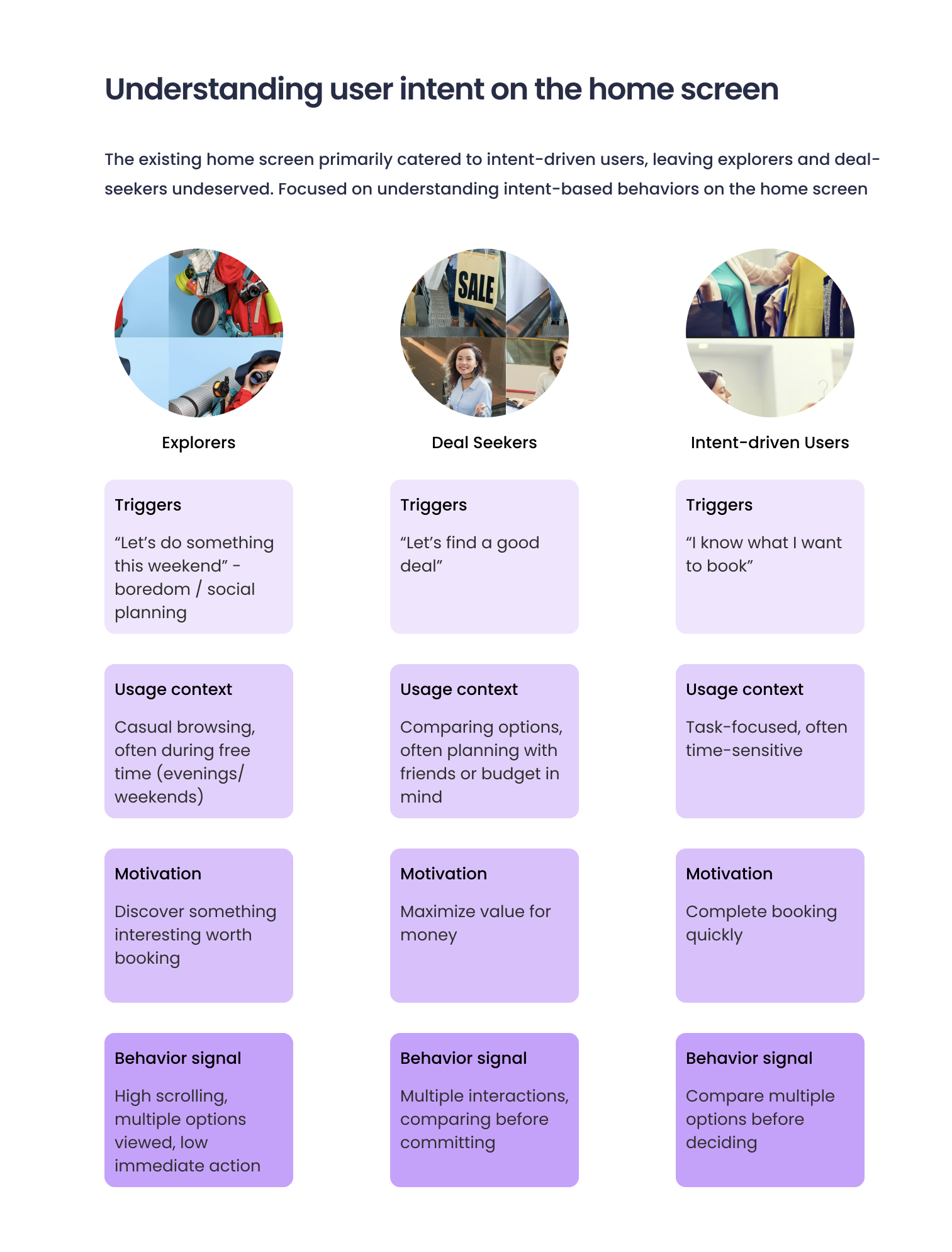
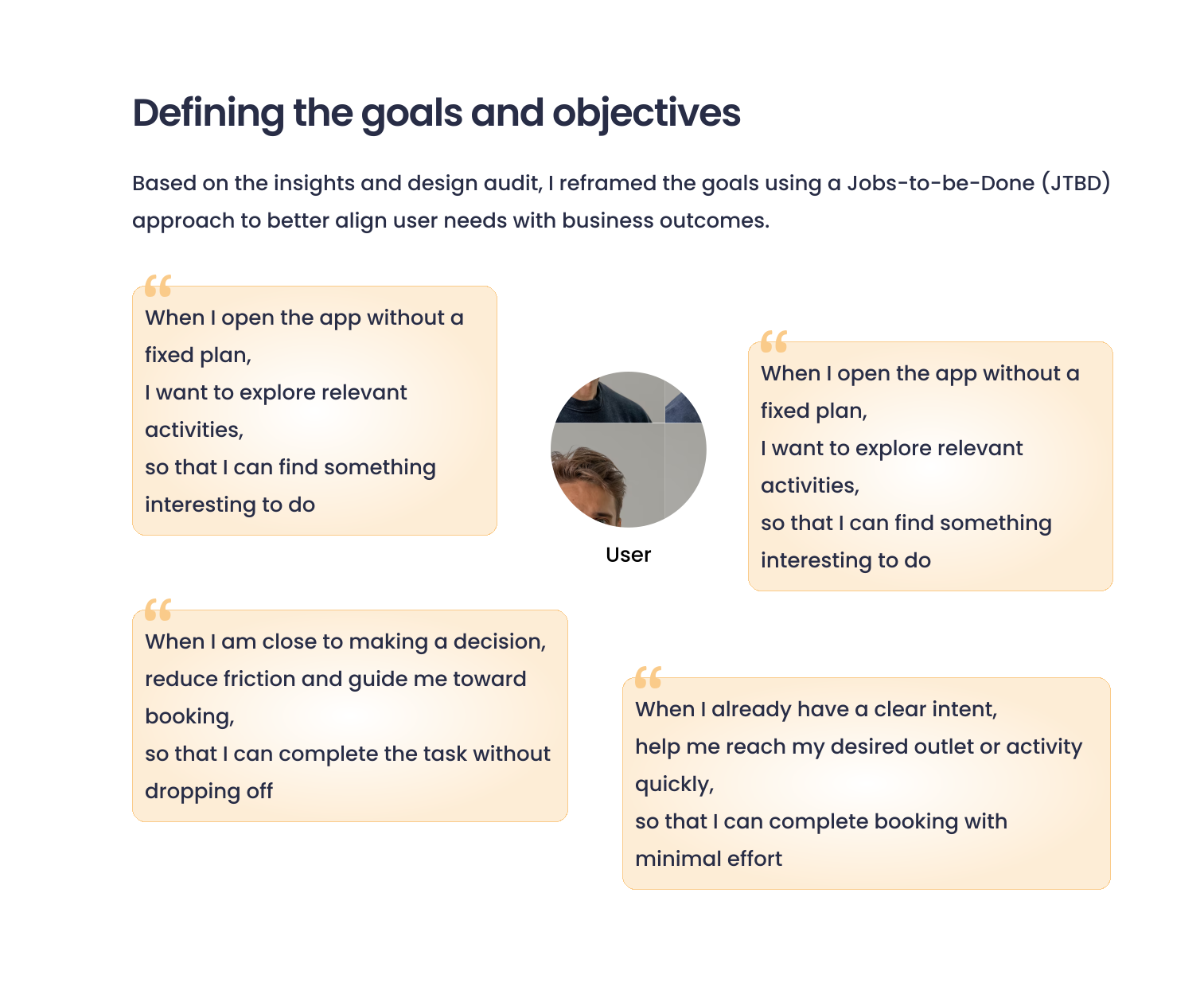
I ran 14 in-depth interviews and a diary study across 3 cities. The core insight: people don't book a court — they book a session with friends. Once I reframed the job around the social moment, every screen got simpler.
Design decisions
Map-first discovery, one-tap re-book, group invites baked into the booking flow, and a calm earthy palette so the app didn't feel like a transactional checkout. Empty states became opportunities, not dead ends.
Outcome
Booking completion rose by 12% and time-to-book dropped by 38% in usability testing. The team adopted the new IA across web and mobile.